Night Driving in October: Glare, Halos, and When It’s More Than “Just the Lights”

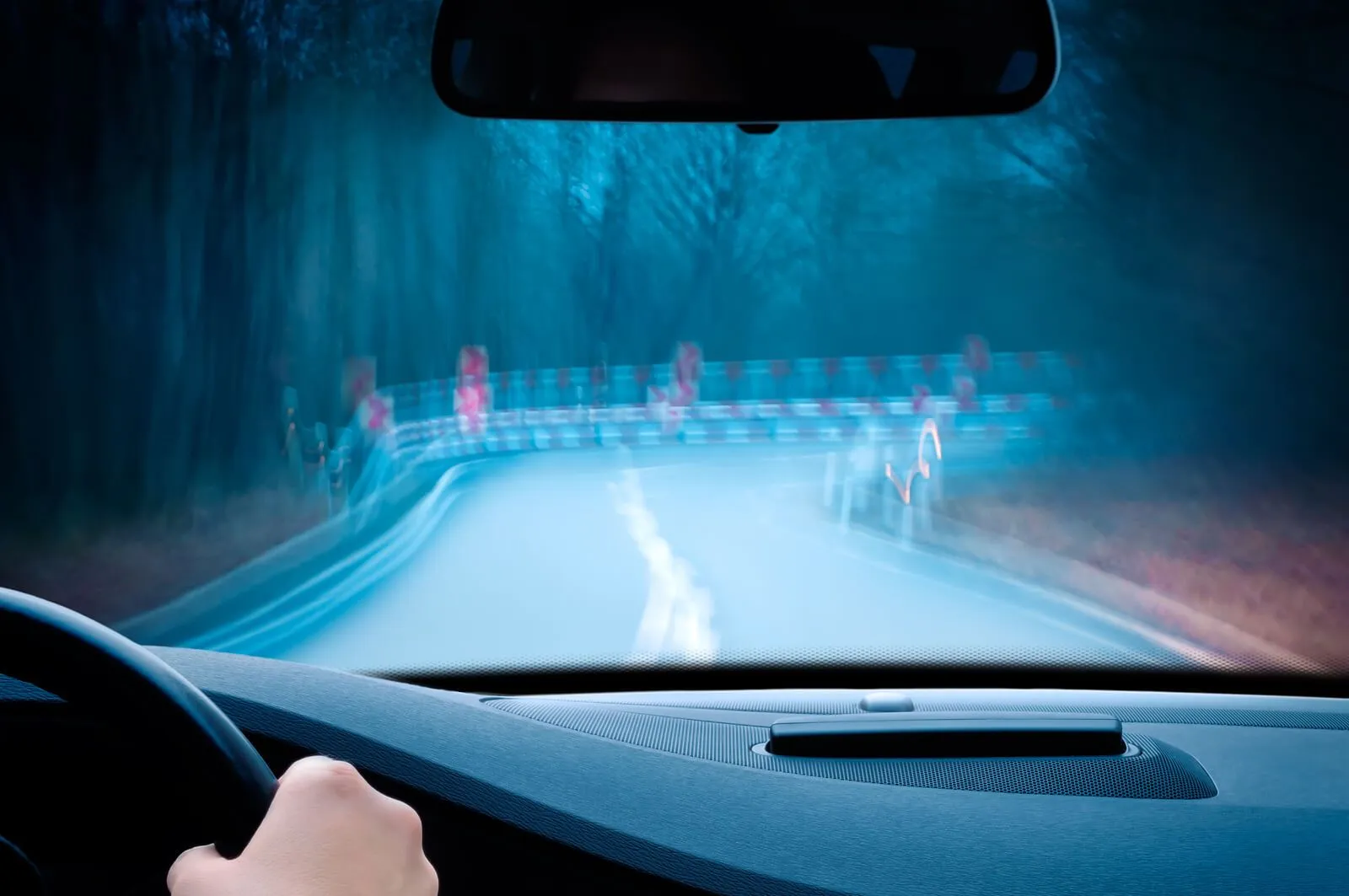
Night driving often becomes noticeably more challenging in the fall. Days shorten quickly, early sunsets catch us off guard, and road conditions change from bright afternoon light to dusk and darkness in a matter of minutes. For many drivers, this seasonal shift amplifies a familiar problem: glare from headlights, halos around streetlights, and difficulty distinguishing objects on the road. Although some degree of nighttime difficulty is normal, especially as we age, persistent glare or worsening night vision is often a sign that something is going on with your eyes.
At SightMD, our eye specialists hear a common complaint every October: “I can see the lights, but I can’t see the road.” This experience can be frustrating, stressful, and even frightening, especially on unfamiliar roads or in bad weather. The good news is that most causes of night-driving difficulty are treatable. Better still, many people feel dramatically more confident behind the wheel once the right eye issue is diagnosed.
This article takes a close look at why night driving becomes harder in the fall, what the latest research says about nighttime crash risk, and the conditions that most commonly cause glare and halos. You will also learn simple strategies for clearer night vision and how to know when it is time for a comprehensive eye exam.
Why Night Driving Is More Risky
Night driving is not only more stressful for many people, it is also statistically more dangerous. According to data reviewed by the National Safety Council, roughly half of all traffic fatalities occur at night even though only about one quarter of driving happens after dark. Reduced visibility, increased glare, slower reaction times, and the body’s natural circadian drop in alertness all contribute to this risk.
Fall intensifies these challenges. The sun sets earlier, many commuters drive home in full darkness, and wet roads can reflect light in multiple directions. Older drivers, in particular, often struggle with decreased contrast sensitivity, which makes it harder to distinguish a dark-colored object or pedestrian against a dim background. This combination of factors explains why so many people feel that night driving suddenly becomes uncomfortable this time of year.
The Science Behind Glare, Halos, and Light Scatter
Glare and halos do not come from the headlights themselves. Instead, they come from how your eyes process light. Healthy eyes focus incoming light precisely onto the retina. When something interferes with this process, light scatters in multiple directions, creating the foggy or radiating effect that many people describe.
Several conditions can cause this unwanted scatter:
Cataracts
As the natural lens inside the eye becomes cloudy, it scatters light outward. People with cataracts frequently report glare, halos, ghost images, starbursts around lights, and trouble distinguishing dark objects at night. Many do not notice how gradually the problem develops until they attempt nighttime driving.
Dry eye
Even mild dryness disrupts the smooth tear film that keeps light entering the eye evenly. When the tear film breaks up, headlights and reflective surfaces appear smeared or doubled. Seasonal changes, increased indoor heating, contact lens wear, and extended screen time can all worsen dry eye in the fall.
Refractive error
If your glasses or contact lens prescription is outdated, even slightly blurred focus can make night glare more obvious. Subtle changes in your vision may be barely noticeable during the day but much more dramatic at night.
Post-LASIK or post-refractive surgery changes
Most patients who have undergone LASIK or similar procedures enjoy excellent night vision, but some may notice halos early in the healing process or if their tear film is unstable. In many cases this is temporary or treatable.
Corneal irregularities
Conditions like keratoconus or mild corneal scarring can distort light entering the eye. This often shows up first as a night-driving complaint.
Early retina or optic nerve issues
While less common, certain retina or neuro-ophthalmic problems can affect night vision or dim-light sensitivity.
If any of these conditions sound familiar, it is important to have your eyes evaluated by an ophthalmologist. Many patients are surprised to learn that their night-driving difficulties reflect a medical condition that can be treated, sometimes easily.
Everyday Changes That Can Improve Night-Driving Vision
Even before your eye exam, there are effective steps you can take to improve visibility, comfort, and reaction times at night. Because this article may only contain two lists, the first appears below.
Simple habits and adjustments that can help you see better at night include:
• Keeping your windshield and mirrors clean inside and out to reduce haze and reflections
• Lowering your dashboard brightness so your eyes can adapt to the dark more easily
• Using your car’s night-mode or auto-dim mirror features when available
• Avoiding direct eye contact with oncoming headlights by focusing on the right lane line
• Making sure your headlights are clean, properly aligned, and using bulbs of equal brightness
• Taking regular breaks on long drives to reduce fatigue
• Using artificial tears if dry eye symptoms worsen during evening hours
• Wearing your most up-to-date glasses or contact lenses
• Considering anti-reflective coating on glasses, which can decrease reflections and improve clarity
These basic changes help many drivers feel more comfortable behind the wheel. However, if the problem is coming from within the eye rather than the environment, your SightMD specialist can help identify the source and recommend targeted solutions.
When Night Vision Problems Signal an Eye Condition
While some degree of nighttime discomfort is normal, there are several signs that suggest it is time to schedule an eye exam. The second and final list appears here.
Common signs that night-driving difficulty may indicate an eye problem include:
- Persistent glare, halos, or starbursts that have worsened over time
- Feeling like you see the lights but not the objects around them
- Needing to slow down significantly or avoiding night driving altogether
- Trouble adjusting between bright and dark areas
- Increasing dryness, burning, or fluctuation in vision at night
- Blurry vision that does not improve with blinking or rest
- A noticeable loss of contrast, especially during rain or on poorly lit roads
If you are experiencing any of these symptoms, an evaluation can pinpoint whether you are dealing with cataracts, dry eye, an uncorrected prescription, or another concern.
Cataracts and the Classic Night-Driving Complaint
Cataracts are one of the most common causes of nighttime driving problems in adults over forty. As the lens becomes cloudier, headlights seem brighter, road markings seem dimmer, and contrast sensitivity drops. Many people describe needing to “guess” at the edges of the road or feeling disoriented by glare.
Cataract surgery is one of the safest and most successful procedures in medicine. Patients often report immediate improvement in clarity, brightness, and night vision. Modern lens options, including those that reduce glare and improve contrast, can further enhance nighttime driving ability.
If cataracts are the cause of your nighttime challenges, addressing them often restores the confidence you once had behind the wheel.
Dry Eye and Seasonal Night Vision Problems
Dry eye is another major factor in fall and winter night-driving complaints. Lower humidity, longer hours indoors, increased heating, and more screen time can make the tear film unstable. Without a smooth tear layer, light is scattered instead of focused, producing glare and halos.
Dry eye treatment varies based on cause and severity. Options may include artificial tears, medicated drops, lifestyle changes, in-office therapies, or adjusting contact lens wear. Many patients experience significant improvement once dryness is properly managed.
When to Seek a Comprehensive Eye Exam
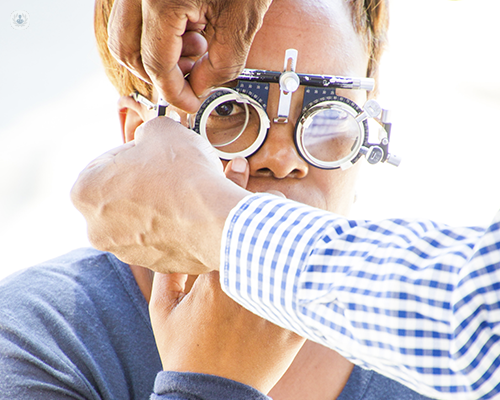
If you find yourself avoiding night driving, feeling anxious on dark roads, or noticing a steady decline in clarity, do not wait to get checked. Night vision symptoms are often one of the earliest signs that something has changed in your eyes, even if daytime vision seems normal.
A SightMD specialist will evaluate:
• Lens clarity
• Tear film quality
• Corneal shape
• Retina and optic nerve health
• Your current prescription
• Overall ocular health
Knowing the source of the problem is the first step toward safer and more comfortable driving.
Taking Control of Your Nighttime Vision
Driving at night should not feel frightening or unpredictable. Whether the issue is cataracts, dryness, glare sensitivity, or simply an outdated prescription, most patients experience measurable improvement once the underlying cause is addressed. Many drivers find that a single appointment changes not only their comfort behind the wheel but their sense of independence and confidence on the road.
If you have noticed increasing glare, halos, or difficulty seeing in low light, SightMD is here to help. Our team is dedicated to identifying the cause of your symptoms and providing tailored options to improve your night vision and overall eye health.
Schedule an eye exam at your nearest SightMD location and take the next step toward clearer, safer night driving.