

Cataract Surgery
The Complete Cataract Surgery Guide by SightMD
Cataract surgery is a safe and effective procedure that can significantly improve your vision and overall quality of life. At SightMD, we specialize in personalized, advanced cataract care using modern techniques and lens technology in state-of-the-art surgical suites.
Our experienced cataract surgeons guide you through every step of the process — from diagnosis to recovery — ensuring a comfortable experience and excellent outcomes.
What Are Cataracts?
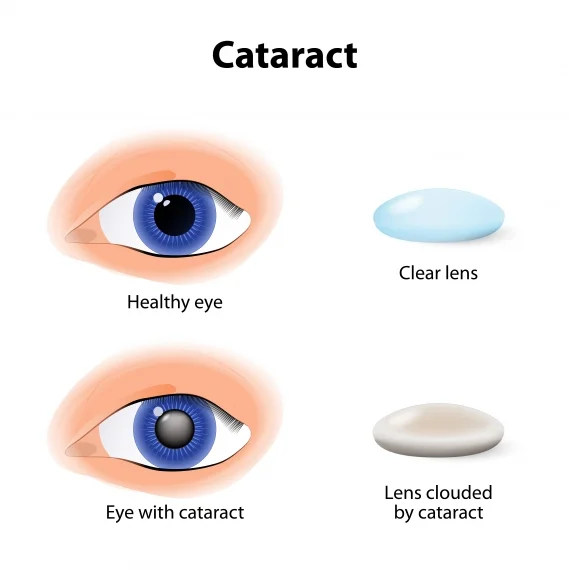
Cataracts develop when proteins in the eye’s natural lens begin to break down and clump together, causing the lens to become cloudy. This condition most commonly affects individuals over age 55 and typically progresses slowly over time. As cataracts worsen, they can interfere with everyday activities such as reading, driving, and recognizing faces.
This clouding process occurs gradually and without pain, often leading to symptoms such as increased glare from sunlight or headlights, difficulty seeing at night, and blurred vision that cannot be fully corrected with glasses alone. Fortunately, cataracts are highly treatable. The appropriate treatment depends on the severity of vision changes and how much they affect your daily life.


What Are The Symptoms of Cataracts?
Because cataracts develop slowly, symptoms may not be immediately noticeable. Over time, vision changes can become more apparent and interfere with daily activities. Early detection allows for timely treatment options and may help slow progression. If you experience vision changes, you should seek a diagnosis.
Common symptoms of cataract include:
- Blurred or cloudy vision
- Faded or muted colors
- Lack of definition
- Increased glare or the appearance of halos around lights
- Difficulty with night vision
- Double vision
- A marked degradation in your eyeglass prescription over time
Cataract Prevention & Diagnosis

How Can Cataracts be Prevented?
As we age, the risk of cataracts increases. There is no proven way to prevent cataracts, but certain lifestyle choices may help slow progression. Protecting your eyes from UV light, quitting smoking, maintaining a healthy diet, and scheduling regular eye exams support eye health and early detection.
In early stages, vision changes caused by cataracts may be managed with updated glasses or improved indoor lighting.

How Are Cataracts Diagnosed?
A comprehensive cataract eye exam is used to diagnose cataracts and assess their severity. Your doctor may perform multiple tests to evaluate your vision, examine the lens, and determine the type of cataract present.
Regular eye exams are especially important for individuals over age 55 or those with additional risk factors, such as eye injuries, family history, smoking, and certain medications.

When Should Cataracts Be Removed?
A cataract may not need immediate removal if it is not interfering with your daily life. Many patients manage early cataracts and enhance their vision by adjusting their eyeglass prescription.
A common misconception is that cataracts must be fully developed before it can be surgically removed. However, once a cataract begins to significantly affect your ability to perform everyday activities, surgery may be recommended.
How Are Cataracts Removed?
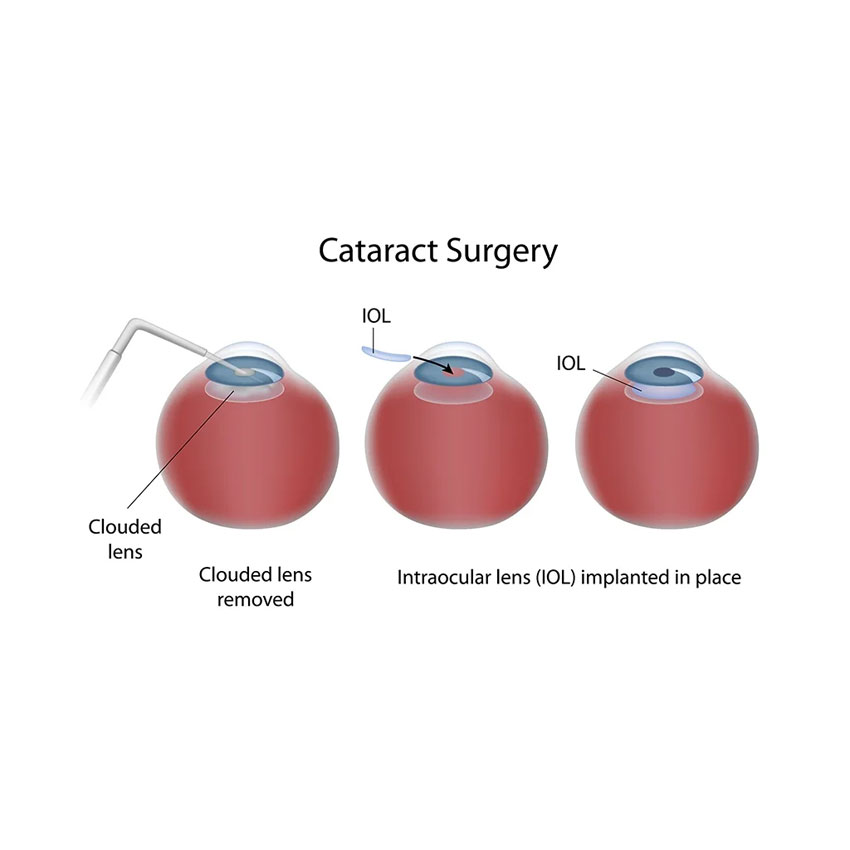
In the early stages, cataract symptoms may be temporarily managed with corrective lenses. As cataracts progress and begin to interfere with daily life, surgical removal becomes the most effective treatment. Cataract surgery involves removing the eye’s cloudy natural lens and replacing it with a clear artificial intraocular lens (IOL).
Historically, cataracts were removed using extracapsular cataract surgery, which required a larger incision to remove the lens in one piece. While important in the evolution of cataract care, this approach is now rarely performed.
Today, SightMD’s surgeons rely on modern, small-incision cataract surgery techniques that promote faster healing, greater comfort, and enhanced results. Most cataract procedures take 10–20 minutes and are performed safely on an outpatient basis.
Modern Cataract Surgery Techniques
Phacoemulsification (Phaco)
Phacoemulsification—often referred to as “phaco”—is the gold standard of care and the most commonly performed cataract surgery technique today. Through a very small incision, the surgeon uses ultrasound energy to gently break down the cloudy lens into tiny fragments, which are then removed. A new IOL is placed through the same incision — allowing for faster healing and minimal disruption to the eye.
Manual Small Incision Cataract Surgery (MSICS)
For patients with very dense or advanced cataracts, phacoemulsification may not always be the best option. Instead, surgeons may recommend Manual Small Incision Cataract Surgery (MSICS), a technique that uses a slightly larger—but still self-sealing—incision to remove the cataract safely without ultrasound energy. MSICS is particularly effective for mature and complex cases of cataracts.
Advanced & Specialized Cataract Surgery Options
Today’s cataract surgery is highly advanced and customizable. Beyond traditional surgical techniques, SightMD offers specialized technologies and approaches designed to enhance precision, comfort, and outcomes—particularly for patients with unique visual goals or complex eye conditions.

Laser Cataract Surgery
Uses innovative laser technology to assist cataract surgeons with key steps of the procedure for optimal precision and outcomes.

Specialized Cataract Surgery
For complex cases involving medical conditions or specialized clinical settings, led by board-certified cataract surgeons.
Minimally Invasive Glaucoma Surgery (MIGS)
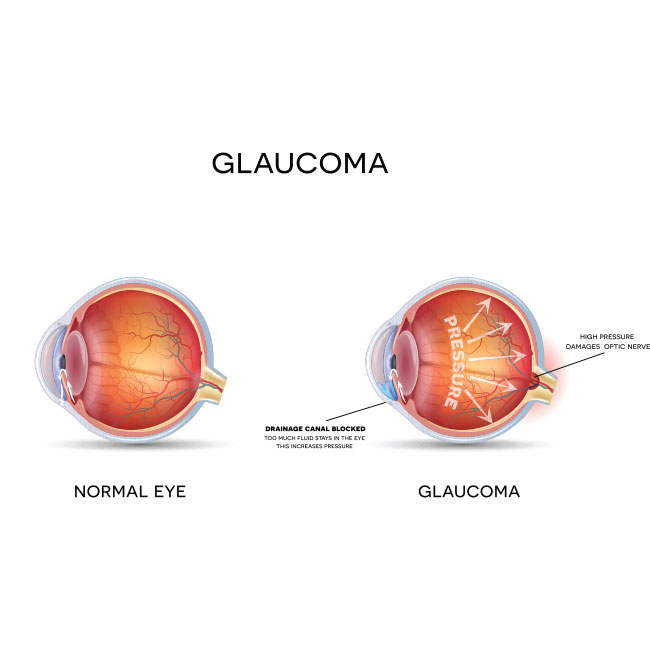
For patients who have both cataracts and glaucoma, SightMD offers an integrated approach that can address both conditions at the same time.
Minimally Invasive Glaucoma Surgery (MIGS) refers to a group of advanced procedures designed to lower intraocular pressure (IOP) with less tissue disruption, faster recovery, and a lower risk profile compared with traditional glaucoma surgeries
MIGS procedures help improve the eye’s natural fluid outflow to reduce pressure on the optic nerve and are typically recommended for patients with mild to moderate open-angle glaucoma. When performed alongside cataract surgery, MIGS can reduce reliance on glaucoma medications while supporting long-term eye health and visual outcomes.
Intraocular Lens (IOL) Options for Cataract Surgery
During cataract surgery, the old lens is removed and replaced with a new artificial intraocular lens (IOL), which is placed through the same opening. The IOL is a clear, permanent lens that requires no maintenance and becomes a stable, integrated part of the eye.
By replacing the cloudy lens with an IOL, light can once again reach the retina clearly, resulting in improved vision. Patients do not feel, see, or sense the presence of the new lens once it’s in place.
Today’s IOL options allow many patients to reduce their dependence on glasses.

Types of Cataract Lenses
SightMD helps patients select from monofocal, multifocal, and other advanced lens technologies to ensure optimal vision outcomes.

Light Adjustable Lens (LAL)
An advanced lens technology
that allows postoperative vision customization using precise, non-invasive light treatments.

Correcting Astigmatism
Using advanced methods, cataract surgery can address astigmatism to enhance visual clarity and reduce the need for glasses.

What to Expect After Cataract Surgery
Most patients notice improved brightness and clarity shortly after surgery, though vision may be blurry for the first few days. Mild discomfort, light sensitivity, or dryness are common and temporary.
Your doctor will prescribe eye drops or medications to prevent or control inflammation, infection, or eye pressure. An eye shield is often recommended at bedtime to protect the operated eye.
You will also be scheduled for three or four follow-up appointments with your doctor to monitor your recovery progress. If necessary, you will need an eye exam so you can be prescribed new eyeglasses about a month after your surgery.
How Much Does Cataract Surgery Cost?
Cataract surgery is considered a medically necessary procedure, and it is typically covered by Medicare and most private insurance plans. Costs may vary depending on the type of lens and surgical technique selected. Some plans have deductibles and copays.
SightMD is proud to be an in-network provider. However, in the event a patient is without private insurance or Medicare, they can expect an out-of-pocket expense anywhere from $3,000 to $7,000 per eye.
What Factors Affect the Cost of Cataract Surgery?
The cost of cataract surgery can vary based on certain factors such as:
- Surgical Setting: Having cataract surgery in an ambulatory surgical center tends to cost less than outpatient surgery in the hospital.
- Type of Surgery: Two traditional techniques are phacoemulsification (“phaco”) and extracapsular cataract extraction surgery (ECCE). For these procedures, uninsured people can expect to pay $3,000 to $5,000. Laser-assisted cataract surgeries, with more advanced technology, can average $4,000 to $6,000.
- Type of Lens: You and your doctor can choose the type of IOL that suits you best. The monofocal lens allows clear vision at one distance and is less expensive than the multifocal lens. The multifocal lens improves vision for both near and far distances.
- Surgeon Experience: The technology used for phaco may require the surgeon to have more extensive medical training. As a result, this technique can be more costly than other types of cataract surgery.
- Post-Surgical Complications: In the event an artificial lens becomes cloudy, which could be weeks or years after the surgery, a painless laser procedure may be necessary to address the problem. This procedure typically costs about $600 to $800.
Cataract Surgery FAQs:
Many people live with cataracts that do not impair their vision. We do not recommend surgery for these individuals. Generally, if your vision loss becomes significant enough to interfere with your daily activities, then we do recommend surgery.
No, once removed a cataract cannot re-develop. However, in some cases, a secondary cataract may develop around the IOL, which may result in vision becoming cloudy after cataract surgery. This is not a recurrence of the original cataract and can be corrected quickly through a posterior capsulotomy — a simple, painless laser procedure that helps clear the fogged area around the lens.
Yes, if caught early before the cataracts have significantly impaired your vision. Your eye doctor may be able to change your lens prescription to mitigate the development of cataracts. Beyond that, there is nothing that can treat a cataract without surgically removing it.
Despite advancements in cataract surgery, including laser treatment, it’s important to remember that all surgeries have risks. With that in mind, our experienced cataract surgeons have made cataract surgery a large focus of our practice. We have successfully performed this procedure on many individuals and our skilled surgeons use advanced technology to reduce risks.
Some of the potential complications of cataract surgery include:
- Posterior capsule opacity — a condition that can impair vision after cataract surgery
- Malpositioned/Dislocated intraocular lens
- Eye inflammation
- Retinal detachment
- Corneal or retinal swelling
- Increased pressure inside the eye
- Bleeding or infection inside the eye
- Ptosis
Cataract surgery is generally considered a painless procedure. Local anesthesia is used to numb the eye, and some patients may receive mild sedation to help them relax. During surgery, you may feel light pressure or mild sensations, but significant pain is uncommon. Most postoperative discomfort is mild and temporary.
After undergoing cataract surgery, many patients return to light activities within two to three days. Full recovery typically occurs within one to two months as the eye adjusts to the new lens.