

Refractive Lens Exchange (RLE) Surgery

RLE Surgery — The Complete Guide by SightMD
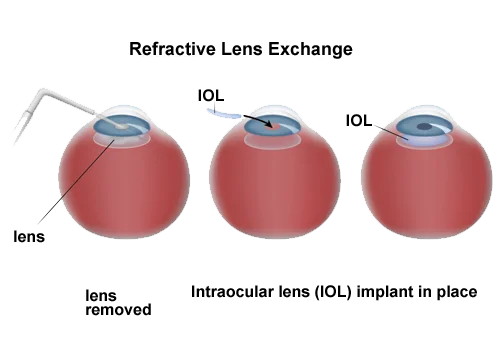
Refractive Lens Exchange (RLE), also known as clear lens exchange or lens replacement surgery, is an advanced vision correction procedure designed to reduce or eliminate dependence on glasses and contacts. Often recommended for patients experiencing age-related vision changes, RLE replaces the eye’s natural lens with a premium intraocular lens (IOL) to improve clarity at multiple distances.
At SightMD, our experienced surgeons use the same proven techniques as modern cataract surgery—combined with advanced lens technology—to deliver precise, long-lasting visual outcomes for patients seeking freedom from corrective eyewear.
What is Refractive Lens Exchange Surgery?
Refractive Lens Exchange is a surgical vision correction procedure in which the eye’s natural lens is removed and replaced with an artificial intraocular lens (IOL). Unlike cataract surgery, RLE is performed before cataracts develop, making it an excellent option for patients whose vision changes are driven by refractive error and presbyopia rather than lens clouding.
RLE is commonly recommended for patients over the age of 40 who are not ideal candidates for LASIK or PRK due to age-related vision changes. By replacing the natural lens entirely, RLE can correct multiple refractive errors while also preventing cataracts from developing in the future.
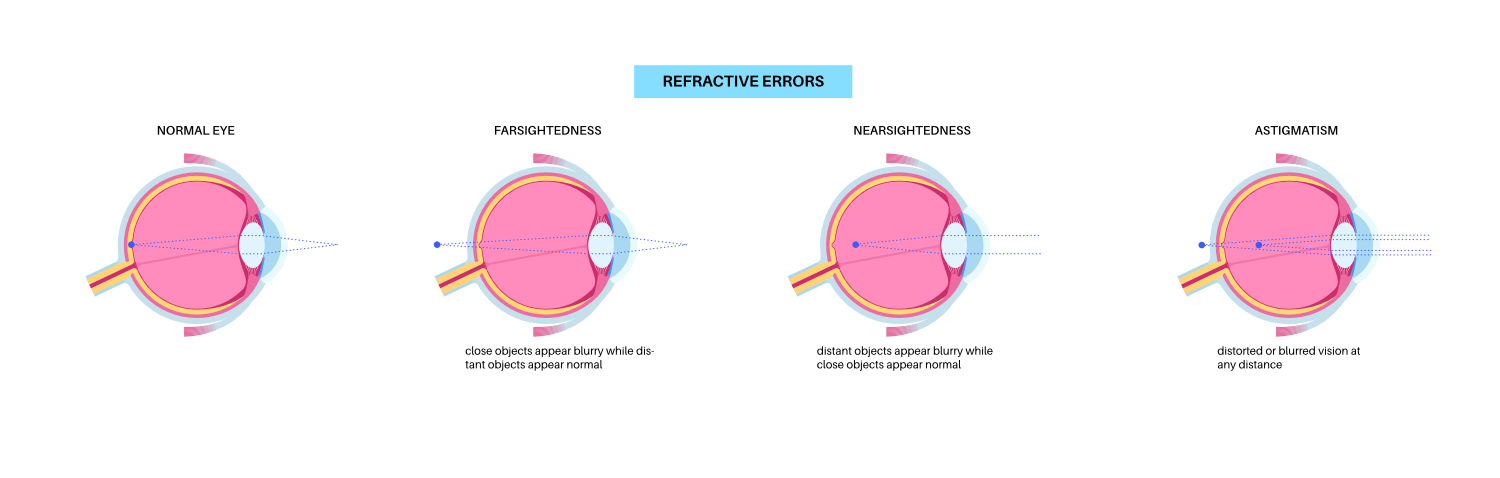
Refractive Lens Exchange can treat:
- Presbyopia
- Myopia (nearsightedness)
- Hyperopia (farsightedness)
- Astigmatism

Am I A Candidate for RLE Surgery?
You may be a good candidate for Refractive Lens Exchange if you are experiencing difficulty with near vision, rely heavily on reading glasses, or want a long-term solution that addresses multiple vision problems at once. RLE is particularly beneficial for patients over 40 who are not ideal candidates for laser vision correction.
Ideal candidates generally:
- Are over age 40
- Have presbyopia or age-related vision changes
- Have stable vision prescriptions
- Are not candidates for LASIK or PRK
- Have healthy eyes without advanced retinal or corneal disease
A comprehensive consultation at SightMD allows our surgeons to evaluate your eye health, lifestyle needs, and visual goals to determine whether RLE is the right solution for you.
What Are the Benefits of RLE Surgery?
lasting visual clarity and reduced dependence on glasses. Because the natural lens is replaced entirely, RLE corrects vision at its source and eliminates the future risk of cataracts.
Benefits of RLE include:
- Long-term vision correction at multiple distances
- Effective treatment for presbyopia and age-related vision loss
- Reduced or eliminated the need for glasses or contacts
- An option for patients who are not LASIK candidates
- Permanent lens replacement that prevents cataract formation
For many patients, RLE provides a clear, youthful quality of vision that cannot be achieved with laser vision correction alone.

The RLE Surgery Experience at SightMD
From your initial RLE consultation through recovery, SightMD provides a personalized, guided experience focused on safety, comfort, and exceptional outcomes. Our surgeons use advanced diagnostics, premium lens technology, and proven surgical techniques to deliver precise results.

What to Expect Before RLE Surgery
Before surgery, you will attend a comprehensive evaluation where your eye health, prescription, and visual goals are carefully assessed. Advanced imaging and measurements help your surgeon select the most appropriate intraocular lens for your lifestyle and vision needs.
You’ll receive detailed pre-operative instructions, including guidance on medications, eye drops, and activity restrictions. Our team will review every step of the process so you feel confident and prepared on surgery day.
What to Expect During RLE Surgery
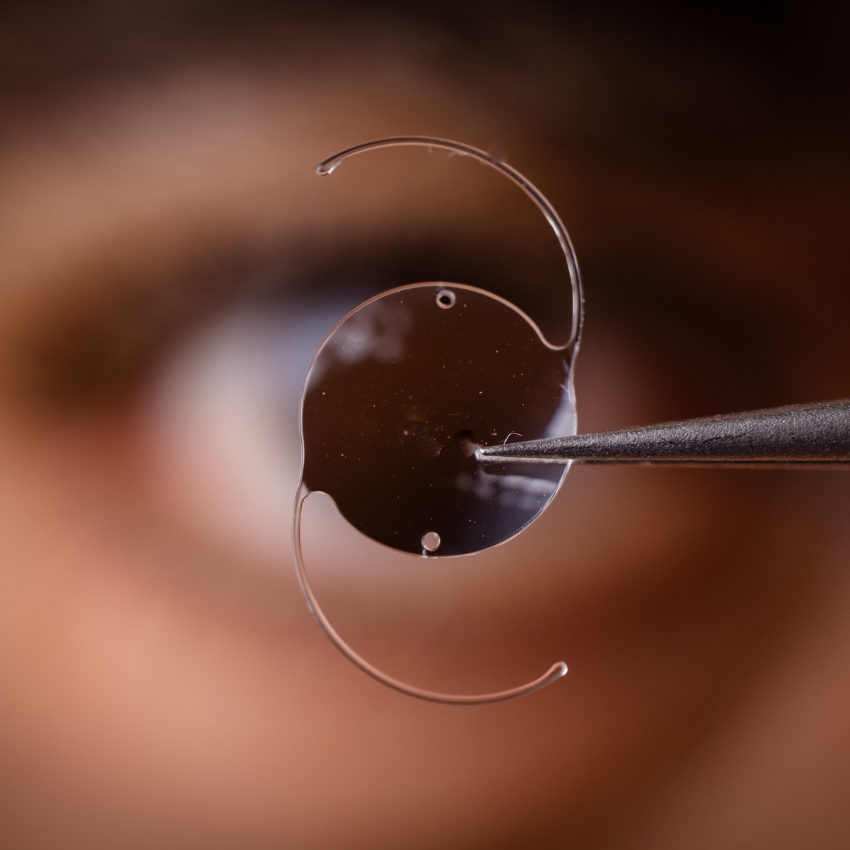
RLE is performed as an outpatient procedure and typically takes about 15–20 minutes per eye. One of our board-certified eye surgeons will remove the eye’s natural lens and replace it with a carefully selected intraocular lens designed to correct your vision.
The procedure is performed using numbing eye drops, and most patients experience little to no discomfort. Advanced surgical technology allows for precise lens placement, helping ensure optimal visual outcomes.

What to Expect After RLE Surgery
After your refractive lens exchange surgery, you will need to make sure someone can drive you home. Many patients notice improved vision within the first few days, though vision continues to stabilize over several weeks.
You will be prescribed eye drops to support healing and prevent infection, and follow-up visits will be scheduled to monitor your recovery. Most patients return to normal daily activities within a few days, with continued improvement in clarity and focus over time.
Clear Lens Testimonial at SightMD

What are the Different Types of RLE Lenses?
One of the most important decisions in Refractive Lens Exchange is selecting the right intraocular lens. Different IOLs are designed to meet different visual needs, and your surgeon will guide you toward the best option for your lifestyle.
Monofocal lenses provide clear vision at a single distance, typically distance vision, with reading glasses still required. Multifocal and extended depth of focus (EDOF) lenses allow for clearer vision at multiple distances, reducing dependence on glasses for everyday activities.
Toric lenses are designed specifically to correct astigmatism, while premium lenses can address both astigmatism and presbyopia simultaneously. With today’s advanced lens technology, many RLE patients achieve excellent distance, intermediate, and near vision with minimal reliance on eyewear.
Refractive Lens Exchange Vs. LASIK Surgery
LASIK is a highly effective vision correction procedure, but it primarily addresses distance vision and does not treat presbyopia. While monovision LASIK can help compensate for near vision loss, it requires compromise between the eyes and may slightly reduce visual clarity.
Refractive Lens Exchange offers a more comprehensive solution for patients over 40 by correcting presbyopia and refractive errors simultaneously. Because RLE replaces the natural lens, both eyes can work together to provide clear vision across multiple distances—often without the compromises associated with monovision LASIK.
RLE Surgery FAQs:
An implantable lens placed inside the eye to correct nearsightedness with or without astigmatism.
The procedure typically takes 15–20 minutes per eye and is performed on an outpatient basis.
Yes. Once the natural lens is replaced, it does not need to be replaced again and cataracts cannot develop.
Many patients significantly reduce or eliminate their need for glasses, depending on the lens selected and individual visual needs.
RLE uses the same proven techniques as modern cataract surgery and has an excellent safety profile when performed by experienced surgeons.
Yes. Toric and premium IOL options can correct astigmatism during the procedure.