
Posts by Laura Shortridge
What Is Recurrent Corneal Erosion?
A corneal erosion or abrasion occurs when there is loss of the corneal epithelium, the cornea’s outer layer. These can occur if your cornea is scraped or injured, often leading to eye pain or other symptoms. There are 3 major causes of recurrent corneal erosion, which are: Who’s at risk? The most likely victim of recurrent…
Read MoreWhat is Heterochromia?
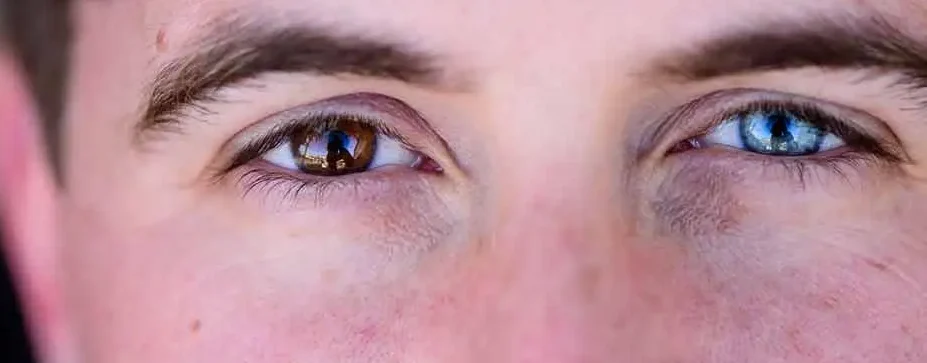
Heterochromia occurs when the iris (coloured tissue at the front of the eye) of both your eyes are of different colours. Although mostly harmless, heterochromia can sometimes indicate an underlying medical condition. For example, one eye is brown and the other eye is green. It can also mean there are at least two different colors…
Read MoreNearsighted vs. Farsighted: What Do They Actually Mean?
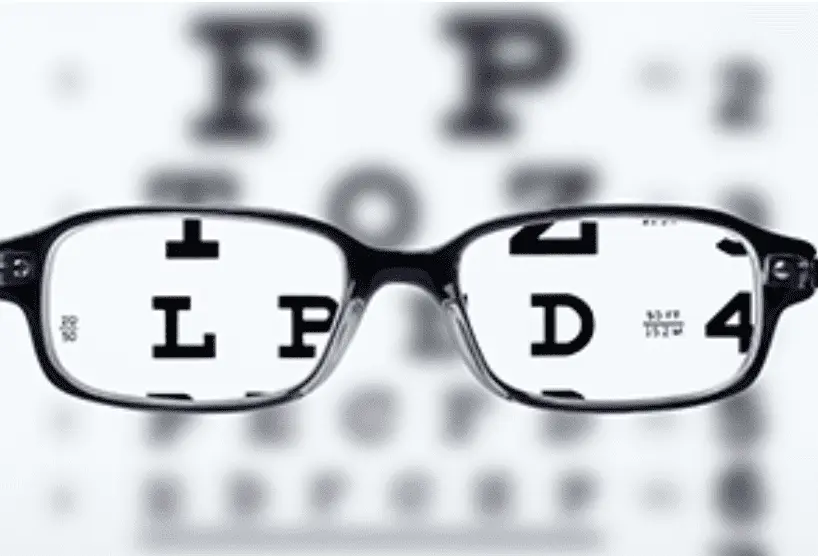
More than 11 million Americans have common vision problems that can be corrected with the use of prescriptive eyewear such as glasses or contact lenses. These conditions are known as refractive errors, and they occur when the eye doesn’t correctly bend, or refract, light as it enters the eye. The most common refractive errors include…
Read MoreBad Habits To Avoid When Using Contact Lens That Can Endanger Your Eyes
Contact lenses can change your world. While many people prefer the look and ease of glasses, others enjoy the freedom of contact lenses. However, contacts are a responsibility. Poor hygiene and bad habits can cause infection and even the loss of vision. Whether you’re considering letting your child wear contacts or you need to revisit your own habits,…
Read MoreWhat is a Refraction and Why is it Often Not Covered by a Patient’s Insurance
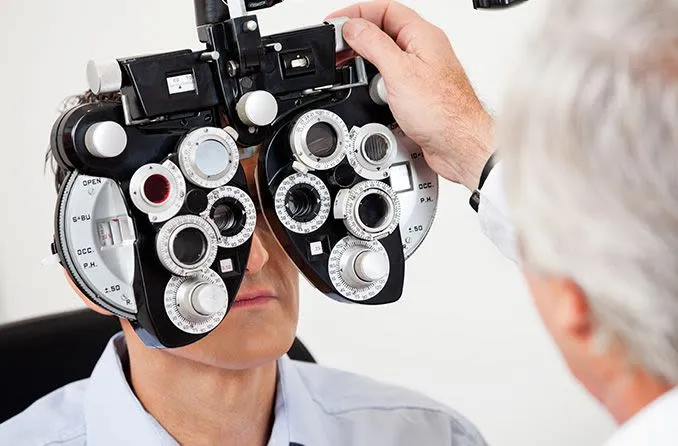
For many people, an eye exam is a trip to the eye doctor (either an ophthalmologist or an optometrist) for a prescription for eyeglasses or contact lenses. What is a Refraction Test? A refraction test is usually given as part of a routine eye examination. It may also be called a vision test. This test tells your…
Read MoreHow Can Hyaluronidase Treat the Tyndall Effect?

What is the Tyndall effect? The Tyndall effect, originally known as Willis–Tyndall scattering, is the scattering of light by particles in a colloid or in a very fine suspension. This phenomenon is named after Irish physicist John Tyndall, who discovered that a beam of light can become scattered and visible by illuminating particles. The Tyndall…
Read MoreAre my reading glasses making my eyes worse?
Short answer- No Although we don’t know the exact mechanism by which humans have a decreased ability to focus up close as we get older (a process called presbyopia), the fact remains that it will happen to all of us. The leading theory of how this occurs is that the lenses in our eyes get…
Read MoreHow Long Do Pupils Remain Dilated After an Eye Exam?
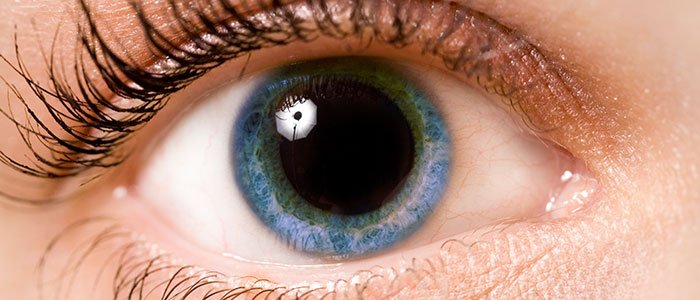
Dilating the pupils of the eyes helps an ophthalmologist view the internal structures, including the lens, optic nerve, blood vessels, and retina. Dilation involves the use of special eye drops that either stimulate contraction of the muscles surrounding the pupil or relaxes the muscles so that they open. Dilation is a key component of a comprehensive…
Read MoreWhat Is Considered A True Eye Emergency?

Even though Ophthalmologists see dozens of “emergencies” a day in the office, and we are happy to see them, few of them are true emergencies. An eye emergency is defined as a condition requiring prompt medical attention due to a sudden change in ocular health or vision. When it comes to essential organs like your…
Read MoreWhat Is An Oculoplastic Surgeon?

Oculoplastic surgery (also known as ophthalmic plastic surgery) is a specialized dynamic field of medicine that combines the microsurgery of ophthalmology with the cosmetic principles of plastic surgery. This branch of ophthalmology focuses on plastic and reconstructive surgery of the eyelids, tear ducts, and orbit, along with cosmetic surgery of the eyelids and brows. Oculoplastic surgeons…
Read More