
Why a Comprehensive Eye Exam Includes a Vision Test
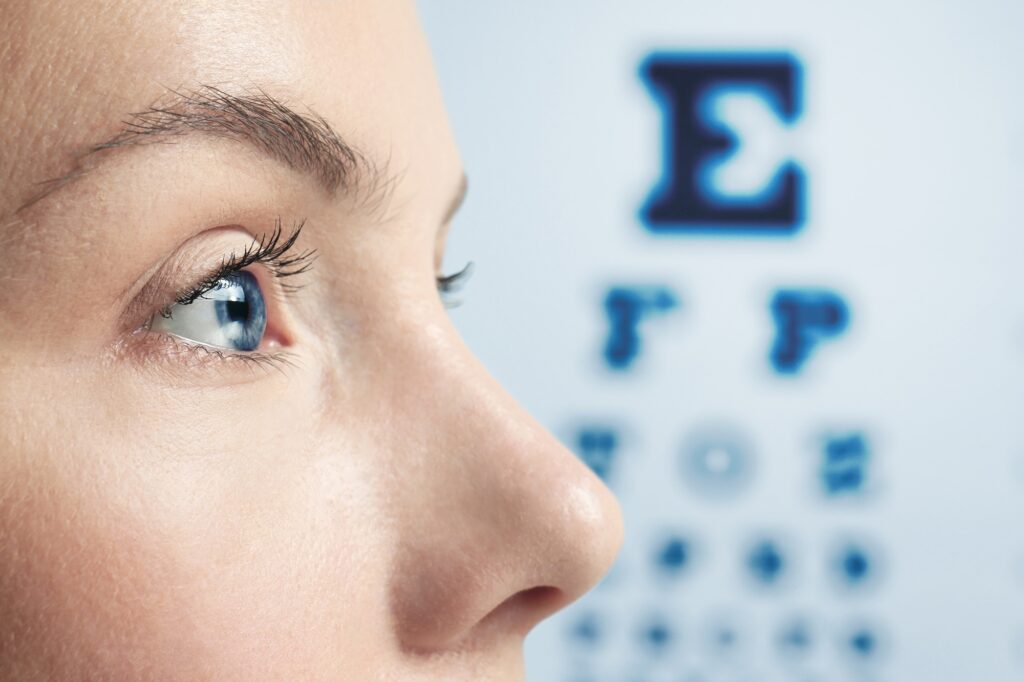
You cover one eye, read a row of letters, switch sides, and read again. It’s one of the most familiar parts of an eye exam, but that eye chart tells only part of the story.
A comprehensive eye exam looks at both how well you see and the health of your eyes. Your SightMD eye care provider can assess your vision, examine structures inside the eye, and look for signs of eye conditions that may develop quietly. The vision test plays an important role, but it works alongside several other parts of the exam to create a fuller picture of your eye health.
What Does a Vision Test Measure?
A vision test checks how clearly your eyes see and whether a refractive error affects your vision. Refractive errors occur when the shape of the eye keeps light from focusing properly on the retina, the light-sensitive tissue at the back of the eye.
Common refractive errors include:
- Nearsightedness, or myopia
- Farsightedness, or hyperopia
- Astigmatism
- Presbyopia, the age-related loss of near focusing ability
Reading an eye chart measures visual acuity, or the sharpness of your vision at a specific distance. That familiar 20/20 measurement describes visual acuity rather than the overall health of your eyes.
A refraction test takes the process further.
What Happens During a Refraction Test?
You may remember looking through an instrument while your eye care provider asks, “Which looks clearer, one or two?”
Those comparisons help determine the lens power that gives you clearer vision. Your provider changes lenses in front of your eyes and refines the prescription based on your responses.
The results can show whether you need glasses or contact lenses and whether an existing prescription needs an update. Refraction also gives your provider useful information about changes in your vision over time.
Clear vision tells us how well your eyes are seeing. A comprehensive exam asks another question too: How healthy are your eyes?
What Else Happens During a Comprehensive Exam?
A comprehensive eye exam combines vision testing with an evaluation of your eye health. The exact tests your provider recommends can vary based on your age, medical history, symptoms, and individual risk factors.
Several parts of the exam can reveal information that an eye chart alone cannot provide.
Eye Pressure Testing
Measuring the pressure inside your eyes can help your provider assess factors associated with glaucoma.
Glaucoma can damage the optic nerve, which carries visual information from the eye to the brain. Some forms can progress with few noticeable symptoms during their earlier stages, which makes routine eye care especially valuable.
Eye pressure represents one part of a glaucoma evaluation. Your provider may also examine the optic nerve and recommend other testing when your individual risk or exam findings call for a closer look.
Retinal and Internal Eye Health
The retina lines the back of the eye and turns incoming light into signals your brain can process as vision. Examining this area gives your provider a view of important structures involved in healthy sight.
A retinal evaluation can help your eye care provider look for signs associated with diabetic retinopathy and other retinal conditions.
Dilated Eye Examination
Dilating drops temporarily widen your pupils, giving your provider a broader view inside the eyes. This can make it easier to examine the retina, optic nerve, and other internal structures.
Your vision may become blurry at close range, and your eyes may feel more sensitive to light for several hours after dilation. Your SightMD team can tell you what to expect based on the testing planned for your visit.
Each piece of the exam answers a different question. Put together, they create a more complete view of your vision and eye health than an eye chart can provide on its own.
Why Do Routine Eye Exams Matter?
Clear vision can feel like proof that your eyes are healthy. Some eye diseases tell a quieter story.
Conditions such as glaucoma and diabetic retinopathy can develop before a person notices obvious changes in vision. A comprehensive eye exam gives your eye care provider an opportunity to look for signs of disease and track changes in your eyes over time.
That distinction matters. A vision test can tell you how clearly you see today. A comprehensive exam looks beyond visual clarity to assess the health of the eyes themselves.
Glaucoma Can Develop Quietly
Glaucoma describes a group of eye diseases that damage the optic nerve. Some common forms progress gradually, and noticeable vision changes may appear later in the disease process.
A comprehensive exam gives your provider the chance to evaluate factors related to glaucoma, including eye pressure and the appearance of the optic nerve. Your provider can recommend additional testing based on your findings and risk factors.
Regular exams also create a history of your eye health. Comparing findings from one visit to the next can help your care team identify changes that deserve closer attention.
Diabetes Can Affect the Retina
Diabetes can affect small blood vessels throughout the body, including those in the retina. Diabetic retinopathy develops when diabetes damages retinal blood vessels.
Changes related to diabetic retinopathy can develop before they interfere with everyday vision. A comprehensive dilated eye exam allows your provider to examine the retina for signs of diabetic eye disease.
For patients with diabetes, routine eye care can become an important part of broader health management. Your eye care provider can recommend an exam schedule based on your health history and individual needs.
Comprehensive Exam or Vision Screening?
A basic vision screening serves a useful purpose. Schools, workplaces, community programs, and other settings may use screenings to identify people who could benefit from a full eye examination.
A screening has a narrower job. It commonly checks visual acuity and may flag possible vision problems for further evaluation.
A comprehensive eye exam goes deeper. Depending on your needs, it can assess your prescription, eye pressure, retina, optic nerve, and other aspects of eye health.
A comprehensive exam deserves particular attention for people who:
- Have diabetes or another condition that can affect the eyes
- Have a personal or family history of eye disease
- Wear glasses or contact lenses
- Take medications that may affect eye health
- Have noticed changes in their vision
- Have risk factors that call for closer eye health monitoring
- Have been advised by an eye care provider to return at regular intervals
Your provider can recommend an exam schedule based on your age, health, family history, and previous findings.
See the Bigger Picture at SightMD
Reading the smallest line on an eye chart can tell your provider something useful about your sight. A comprehensive eye exam fills in the rest of the picture.
SightMD provides integrated ophthalmology and optometry care across New York, New Jersey, Connecticut, Pennsylvania, and Massachusetts. With access to comprehensive eye care and a broad range of eye health services, patients can receive guidance based on both their vision and the health of their eyes.
Routine exams give your care team an opportunity to track changes, assess your prescription, and look for signs of eye conditions that may deserve attention. They also give you time to bring up the little things you have noticed, from changing visual clarity to questions about your current glasses or contacts.
Schedule a comprehensive eye exam with SightMD and give your eye care team the chance to look beyond the chart at the health of your vision.
View Other Content Related by:
Topics
Vision CareServices
Lasik