

Cataract Surgery Recovery
Cataract Post-Surgical Care Guidelines
At every stage of your cataract surgery journey, understanding proper post-surgical care is essential—whether you’re considering cataract surgery or have recently completed your procedure. Knowing what to expect during the recovery process can help protect your vision, promote healing, and provide you with peace of mind.
At SightMD, our team is dedicated to answering your questions and supporting you every step of the way.

Immediately Following Cataract Surgery: The First Few Days
Right after cataract surgery, it’s common to experience some blurriness, haziness, or fluctuations in your vision. This is a normal part of the healing process and should gradually improve over the next few days. You may also notice light sensitivity, dryness, redness, or mild irritation as your eye begins to heal.
Wearing sunglasses outdoors and using eye drops as directed by your doctor can help improve comfort during this early recovery period. It is important that you follow your surgeon’s post-surgery instructions carefully and go to all follow-up appointments as scheduled. If you experience persistent discomfort or any sudden changes in your vision, please contact your surgeon immediately.
A Few Care Tips Following Cataract Surgery
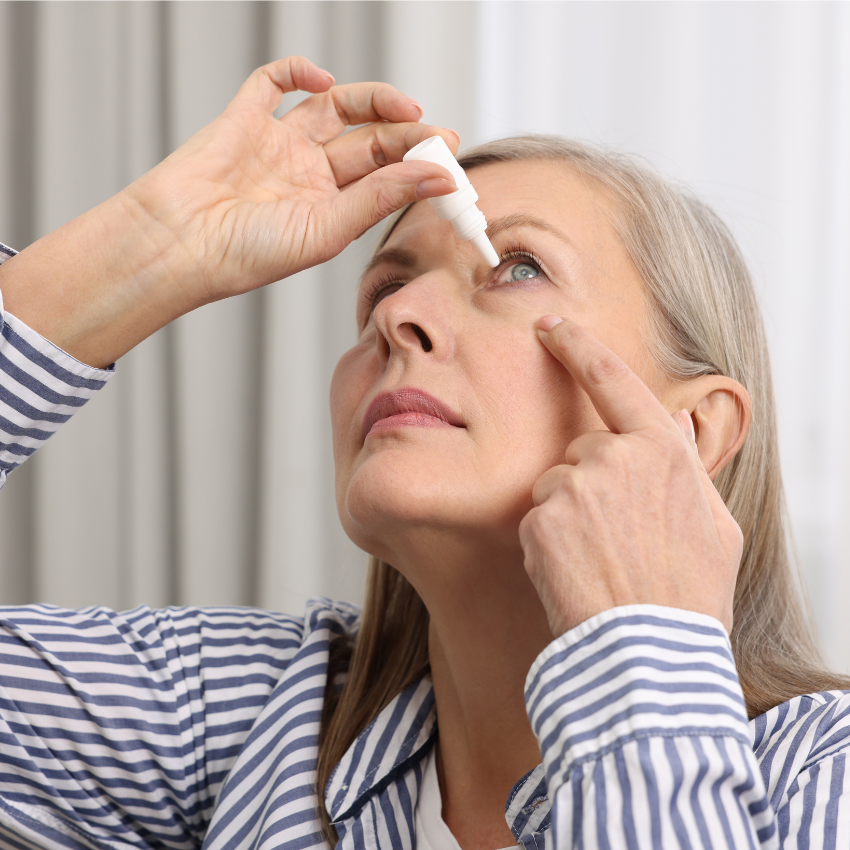
Reducing Discomfort After Cataract Surgery
While discomfort following cataract surgery is usually mild and temporary, it’s completely normal to experience some itching, slight pain, or irritation as the eye begins to heal. To help ease these symptoms, avoid rubbing or touching your eyes and refrain from any strenuous activities during early recovery. Over-the-counter pain relievers and prescribed eye drops, used as directed by your surgeon, can help manage irritation and support a more comfortable healing process.

Adjusting Your Eyes After Cataract Surgery
Cataract surgery often leads to dramatic improvements in vision, but it’s normal for your eyes and brain to need time to adjust. While many patients notice clearer vision quickly, others experience a gradual refinement as the visual system adapts to the new lens. This adjustment period is a natural part of recovery and plays an important role in achieving your best possible visual outcome. Understanding this process can be helpful for setting realistic expectations.
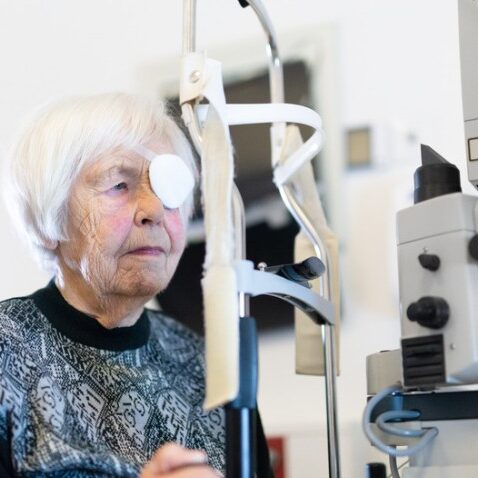
Protecting Your Eyes After Cataract Surgery
Protecting your eyes after cataract surgery is critical to recovery and helps prevent complications. Eye shields are often recommended to protect the operated eye from accidental rubbing, pressure, or injury while you sleep or rest. Wearing an eye shield also provides peace of mind early in recovery, when the eye is most sensitive and vulnerable. Be sure to use your eye shield exactly as instructed by your surgeon, typically during naps and at bedtime for the first week.

Wearing Sunglasses After Cataract Surgery
After cataract surgery, your eyes can be more sensitive to light as they heal and adjust to a new intraocular lens. Wearing sunglasses helps protect your eyes from bright light and harmful UV exposure during this recovery period. Proper eye protection supports comfort, promotes healing, and plays an important role in maintaining long-term eye health. Learning when and why to wear sunglasses after surgery can help safeguard your vision moving forward.

Sleeping Positions After Cataract Surgery
Proper sleep positioning plays an important role in protecting your eyes during the early stages of cataract surgery recovery. Certain positions can help reduce pressure on the healing eye and lower the risk of accidental irritation while you sleep. Following doctor-recommended sleeping guidelines can support comfort, promote healing, and help ensure the best possible outcome. Understanding how to sleep safely after surgery can make recovery smoother and less stressful.

Resuming Normal Activities After Cataract Surgery
After cataract surgery, it’s important to rest and avoid any heavy lifting or strenuous activities. However, most patients can usually resume light activities like reading, watching TV, and walking within one or two days. To ensure you have a safe and effective recovery, it is important to avoid any activities that may expose your eyes to dust, dirt, or chemicals. Additionally, refrain from swimming or utilizing hot tubs until you obtain approval you’re your eye surgeon.

Complete Recovery After Cataract Surgery
Complete recovery from cataract surgery is marked by clearer, more stable vision, reduced redness or irritation, and healthy eye pressure. Your surgeon will monitor your progress during follow-up visits and guide you on safely resuming normal activities. Many patients notice significant improvements within weeks, with vision continuing to enhance over the months that follow.
Taking proper care of your eyes after cataract surgery is essential to achieving the best possible outcome. By following your surgeon’s post-operative instructions, you can ensure a smooth and successful recovery. At SightMD, our team is committed to guiding you every step of the way—before, during, and after cataract surgery.
If you have any questions or concerns at any point in your recovery, our experienced specialists are always here to help.